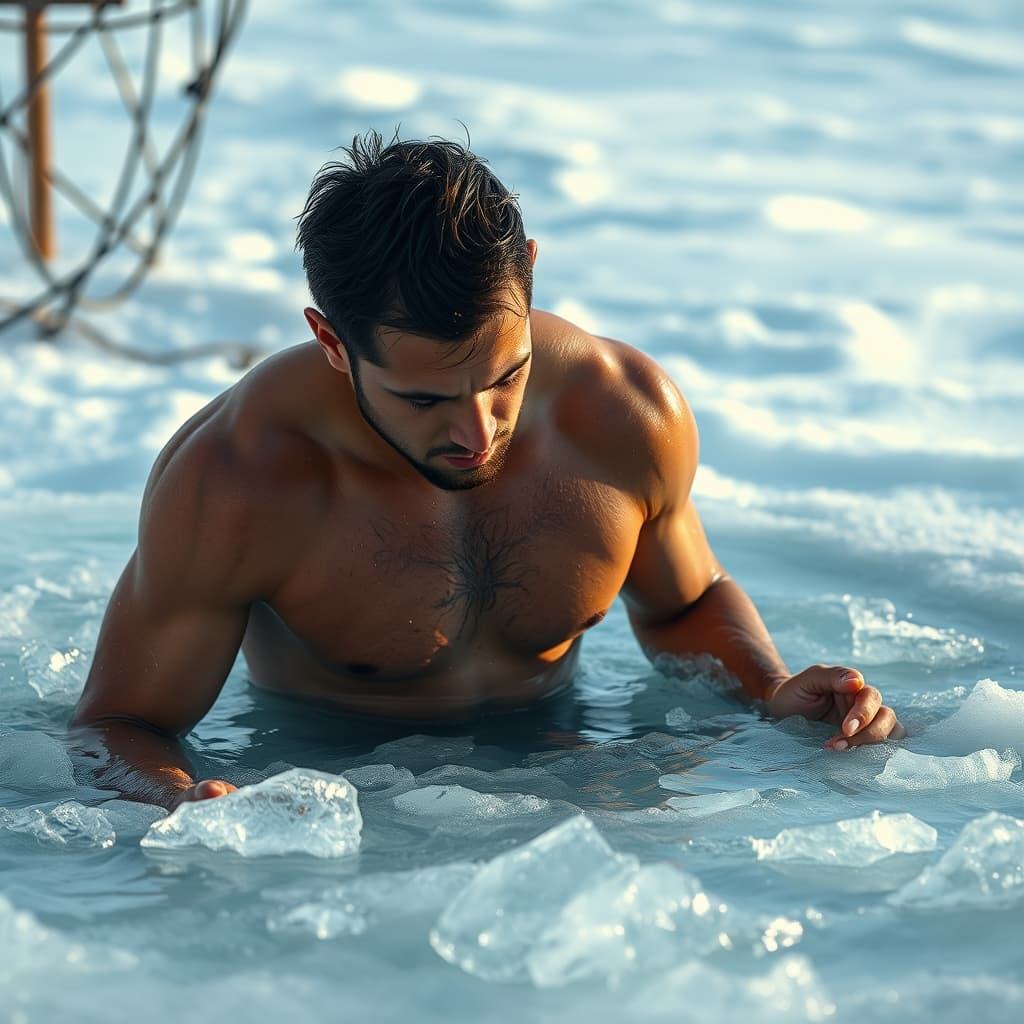
The Signal Cold Sends
Cold is a stressor. That's the entire point. When you submerge in cold water, your body triggers a cascade: norepinephrine spikes 200–300%, your cardiovascular system clamps down, mitochondrial biogenesis gets upregulated, and brown adipose tissue activates.
Done consistently, your body adapts to the stressor. That adaptation is the benefit.
What the Research Actually Shows
What cold exposure reliably does:
- Reduces delayed onset muscle soreness (DOMS) by 20–30% compared to passive recovery
- Raises norepinephrine — a neurotransmitter tied to focus, mood, and alertness — for hours after a session
- Improves cold tolerance and brown fat activation over weeks of consistent exposure
- Reduces perceived effort during subsequent training sessions
What it doesn't do:
Cold after strength training blunts hypertrophy. A 2021 meta-analysis in Sports Medicine confirmed that cold water immersion immediately post-lifting suppresses the inflammatory signaling required for muscle protein synthesis. If building muscle is the goal, avoid cold within 4 hours of a strength session.
Cold Shower vs. Ice Bath
| Method | Temperature | Duration | Best Use |
|---|---|---|---|
| Cold shower | 55–65°F | 2–5 min | Daily habit, mood, alertness |
| Cold plunge / tub | 45–55°F | 2–10 min | Recovery after cardio or competition |
| Ice bath | 38–50°F | 5–15 min | Max recovery, serious athletes |
Colder is not automatically better. The minimum effective dose for norepinephrine response is around 57°F (14°C). Going colder primarily increases discomfort, not benefit.
The Protocol That Works
For mental performance (daily use): End your warm shower with 2 minutes of cold. Morning is ideal — the norepinephrine spike improves focus for the first half of your day.
For recovery (after hard training or competition): 10 minutes at 50–55°F within 1–2 hours of the session. Do not use immediately after strength work.
For adaptation (building the habit): Start at 60°F for 30 seconds. Add 15 seconds per session. Reach 2 minutes before dropping temperature.
The Mental Side
Deliberate cold exposure trains the prefrontal cortex to suppress the panic response from the limbic system. Every time you get in cold water and choose to stay calm, you are literally practicing stress inoculation.
This transfers. People who train cold exposure consistently report lower stress reactivity in daily life. The mechanism is the same — learning to act calmly under physiological stress.
Practical Starting Point
- Finish every shower with 90 seconds of cold water — as cold as your system goes
- Do this every morning for 2 weeks
- If you want more: get a chest freezer, fill it with water, set to 50°F
- 3–4 sessions per week, 8–10 minutes, not after strength training — sleep remains your highest-leverage recovery tool
The data is solid. The practice is simple. The only hard part is choosing to get in.